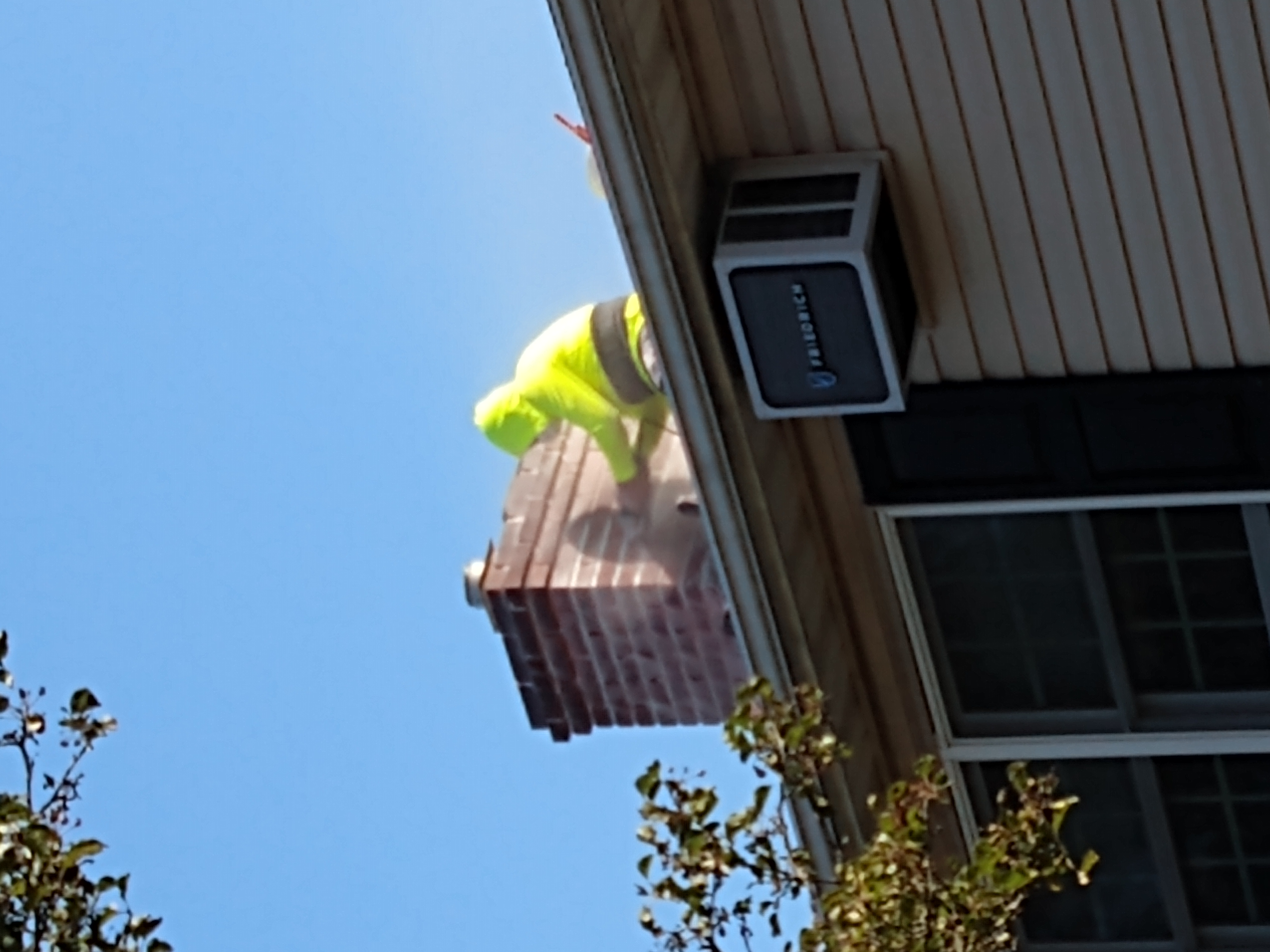
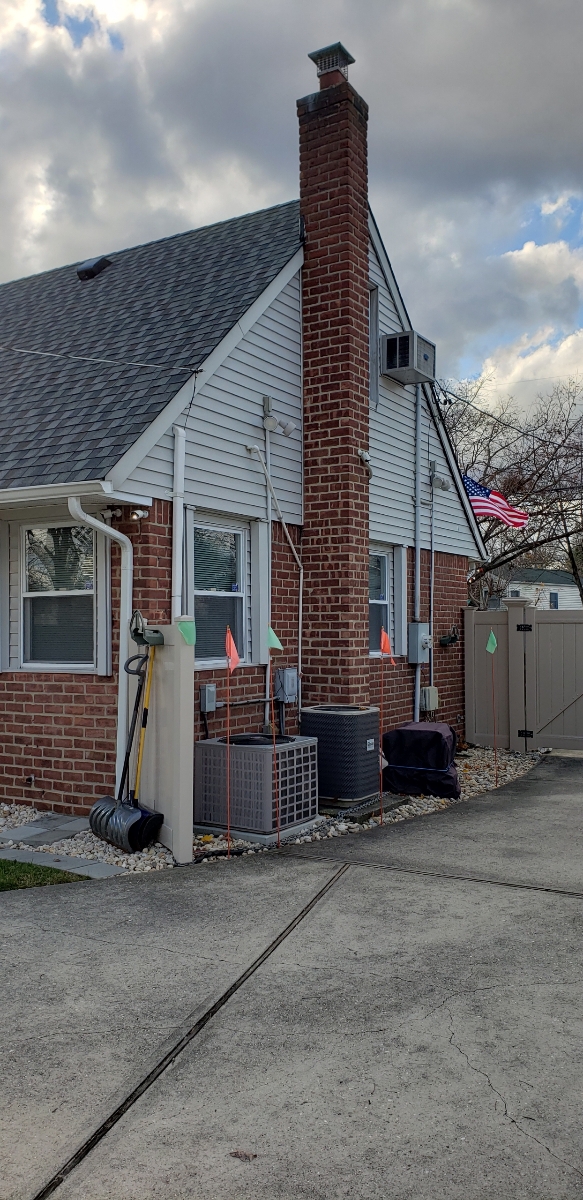
Chimney mortar doesn't last forever. The joints between the bricks of your chimney are under constant assault from moisture, temperature swings, and salt-laden air on Long Island. Over time, the mortar cracks, crumbles, and fails. When that happens, water finds its way inside. At DME Maintenance, we've been helping homeowners in Brentwood and throughout Suffolk County, NY restore their chimneys with professional pointing and tuckpointing since 2001. This work protects your home from one of the most damaging forces in the Northeast: water infiltration.
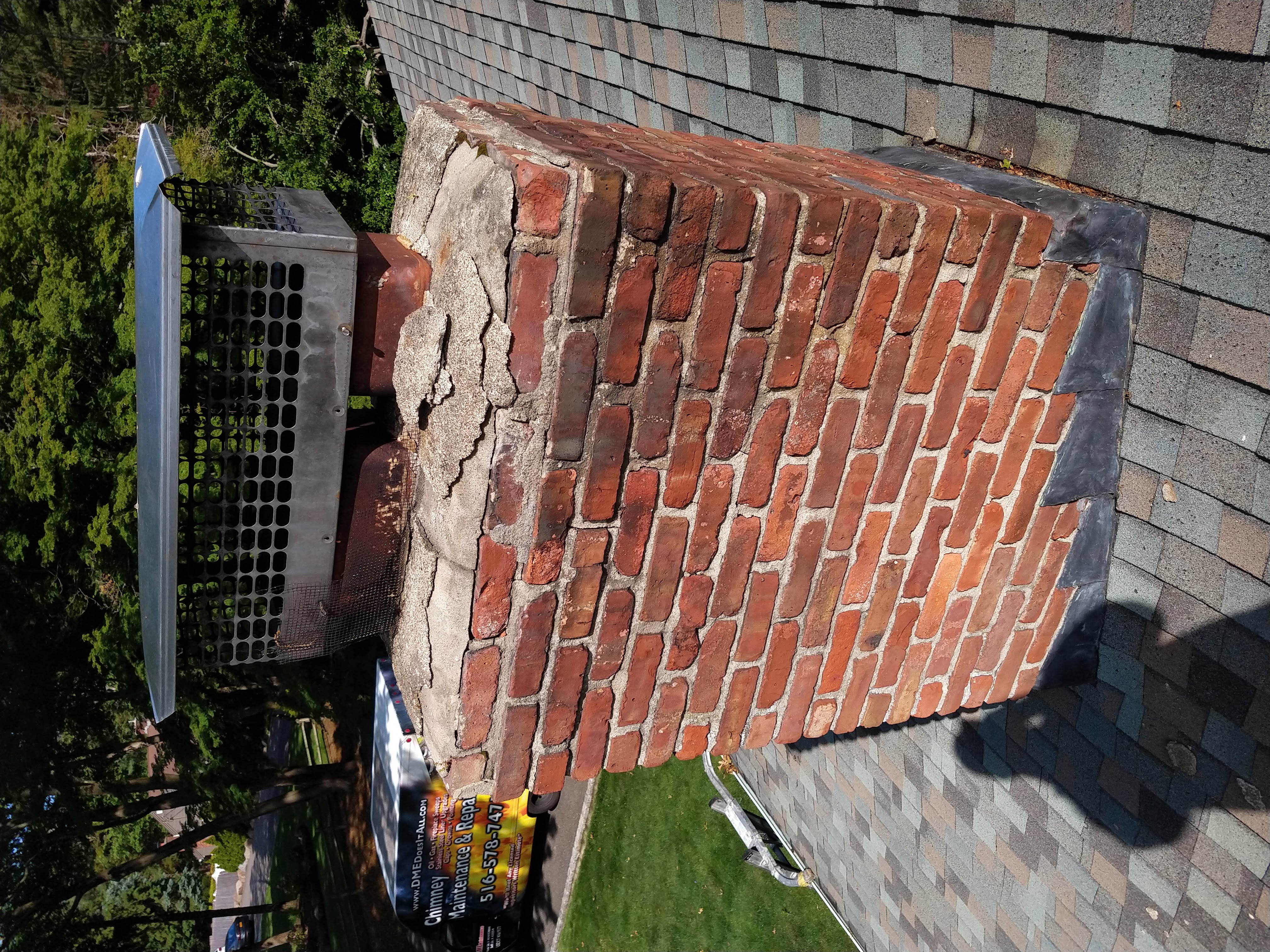
The distinction between pointing and tuckpointing matters, and understanding it helps you know what your chimney actually needs. Pointing refers to the process of removing old, deteriorated mortar joints and filling them with fresh mortar that matches the original in composition and color. Tuckpointing is a specialized technique where mortar is removed and replaced, then a thin contrasting line is added to create a visual accent that masks any slight imperfections in the joint. For homes in Brentwood, where older brick chimneys are common, pointing work is often the first line of defense against serious structural damage.
Brentwood homeowners face a unique challenge for chimney maintenance: the freeze-thaw cycle. On Long Island, winter temperatures fluctuate. Water enters small cracks in the mortar. Then it freezes. This expansion puts pressure on the mortar and surrounding bricks. When spring arrives, the cycle repeats. Year after year, this cycle weakens the mortar faster than it would in a more stable climate. Homeowners in Brentwood who neglect pointing work can watch their chimney deteriorate rapidly compared to regions with more moderate seasonal swings.
The signs of failing mortar are visible if you know what to look for. Check the exterior of your chimney where it rises above the roofline. Do you see gaps between the bricks? Is mortar missing entirely from some joints? Can you scrape away mortar with a key or screwdriver? These are all warnings that pointing work is overdue. Brentwood residents should inspect their chimneys each spring and fall, especially if the home was built before the 1980s. Older brick chimneys are more vulnerable, and the mortar in those joints may be original or nearly original.
Water intrusion is the silent cost of neglected mortar. It seeps behind the bricks and into your home. It can damage interior walls, stain ceilings, and promote mold growth. It can compromise the structural integrity of the chimney itself, even weakening the bricks over time. Homes in Brentwood that rely on oil heating systems need functioning chimneys more than ever. If water damage forces you to shut down your primary heating source, you face a real hardship during a harsh Long Island winter.
Spring and early summer are the best seasons for chimney pointing work on Long Island. Mortar cures properly when temperatures are moderate and humidity allows gradual drying. Moisture content in the air during spring is often ideal. Rushing this work in the heat of midsummer or attempting it in fall as temperatures drop can compromise the cure process. Brentwood homeowners who schedule pointing in late spring give their new mortar the full benefit of favorable weather through the summer months ahead.
The process itself is straightforward but skilled work. A trained technician removes the deteriorated mortar from each joint to a depth of about two and a half brick-widths. The joints are cleaned thoroughly to remove all dust and loose debris. New mortar is then packed carefully into the joint and finished flush or slightly recessed, depending on your chimney's original profile. This manual work requires experience and attention to detail. Sloppy pointing creates problems. Proper technique ensures the new mortar bonds well and functions as it should.
Choosing the right mortar composition is important. Mortar must be softer than the bricks themselves. If it's too hard, it won't absorb movement and stress, and the bricks will crack instead. The mortar must also match the original in terms of sand type, color, and curing characteristics. For older chimneys in Brentwood, this often means using a softer, more porous mortar than what modern builders prefer. DME Maintenance has 2001 years of experience matching historic mortar on Long Island homes and getting the mix right.
Beyond the obvious structural benefits, proper pointing and tuckpointing work restores the appearance of your chimney. A well-pointed chimney looks cared for and professional. It adds to curb appeal. For homeowners in Brentwood looking to maintain their property's value, a deteriorating chimney is a visible problem that suggests other maintenance may have been neglected. Fresh mortar work sends a signal that you take care of your home.
DME Maintenance is a Long Island-based, owner-operated chimney company serving Brentwood and the surrounding area. We regularly service homes in every part of Brentwood — whether your home is just off the main road or tucked into a quiet residential street, Douglas knows the area and will arrive on time.
The Long Island weather is relentless. Salt spray from nearby water bodies carries inland during nor'easters. This salt attacks mortar and brick. Homeowners in Brentwood may live closer to Long Island Sound or other water features than they realize, and that proximity increases the rate of mortar deterioration. Even homes farther inland experience salt-laden winds during seasonal storms. Keeping your mortar in good condition is a form of weather defense.
Don't wait for a crisis to call. A leaking chimney becomes an expensive problem when water damages interior walls or forces heating system shutdowns. Brentwood residents who schedule pointing work now, during favorable spring or early summer conditions, avoid the rush and ensure quality results. A simple inspection costs nothing. A conversation with DME Maintenance can answer your questions and help you understand whether your chimney needs attention. Call us at 631-316-0622 today to arrange an evaluation.